
Space Ecology Approach (SEA)
How space, life-load, and belongings interact, without blame.


Spectrum of Space
(What we see)
A Spectrum of Space shows the natural range of how homes can look across different stages of life, from very organised to overwhelmed, and everything in between.
Whether your space stays the same or shifts over time, you’re the one who decides what feels right for your home.
No one lives in one space all the time, every home shifts with energy, season, support, and meaning.

These cards show different ways a space can look.
They’re not stages or rankings simply real snapshots of living environments.
-
![]()
Transitioning space
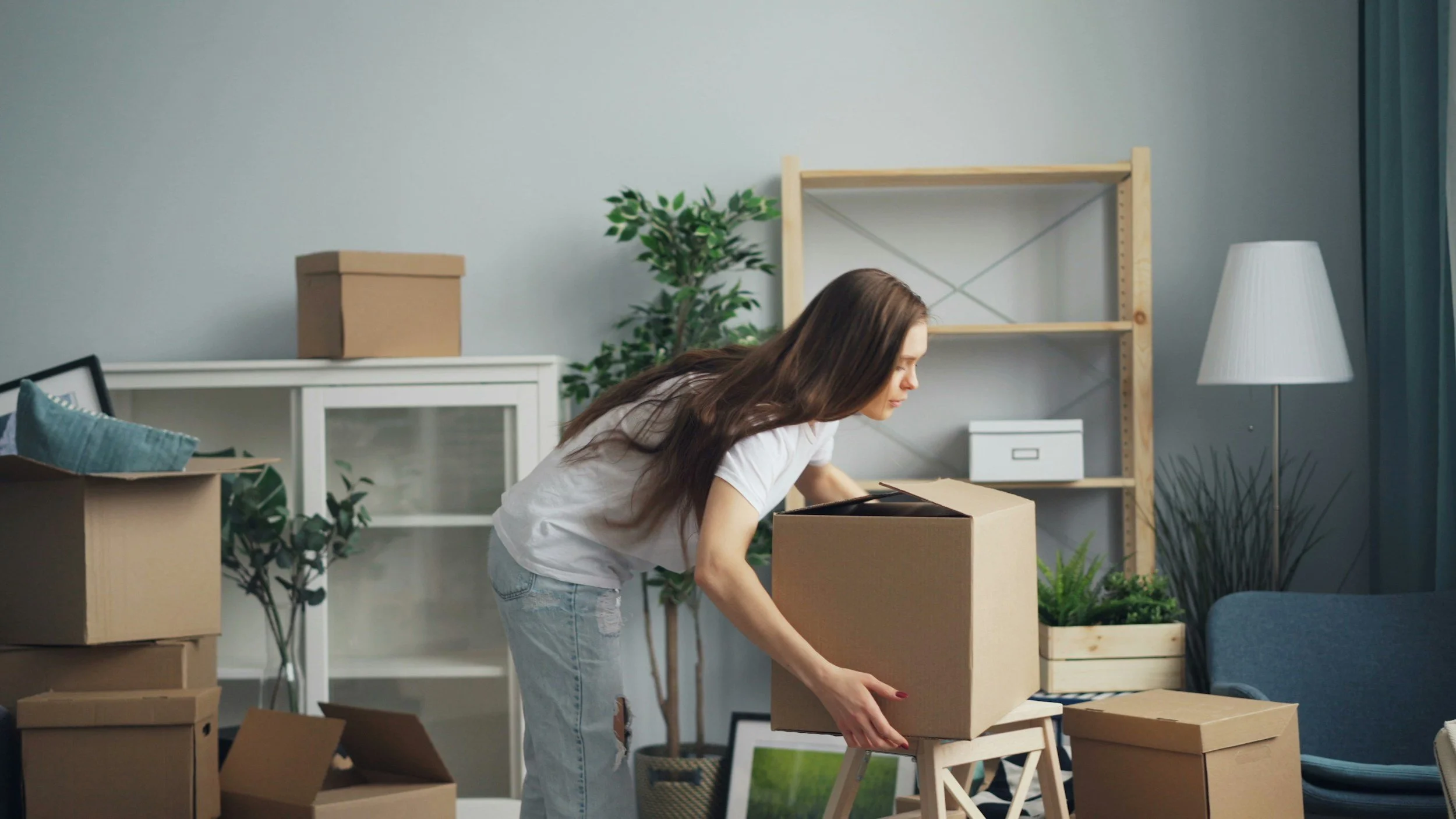
A home holding more than usual. There may be extra bags, supplies, deliveries, holiday decorations, moving boxes, guest items, or belongings waiting for their next place or purpose.
This space reflects a season, not a state. It may follow travel, visitors, a project, a big shop, holidays, renovations, study deadlines, or life events that temporarily change routines and rhythms.
-
![]()
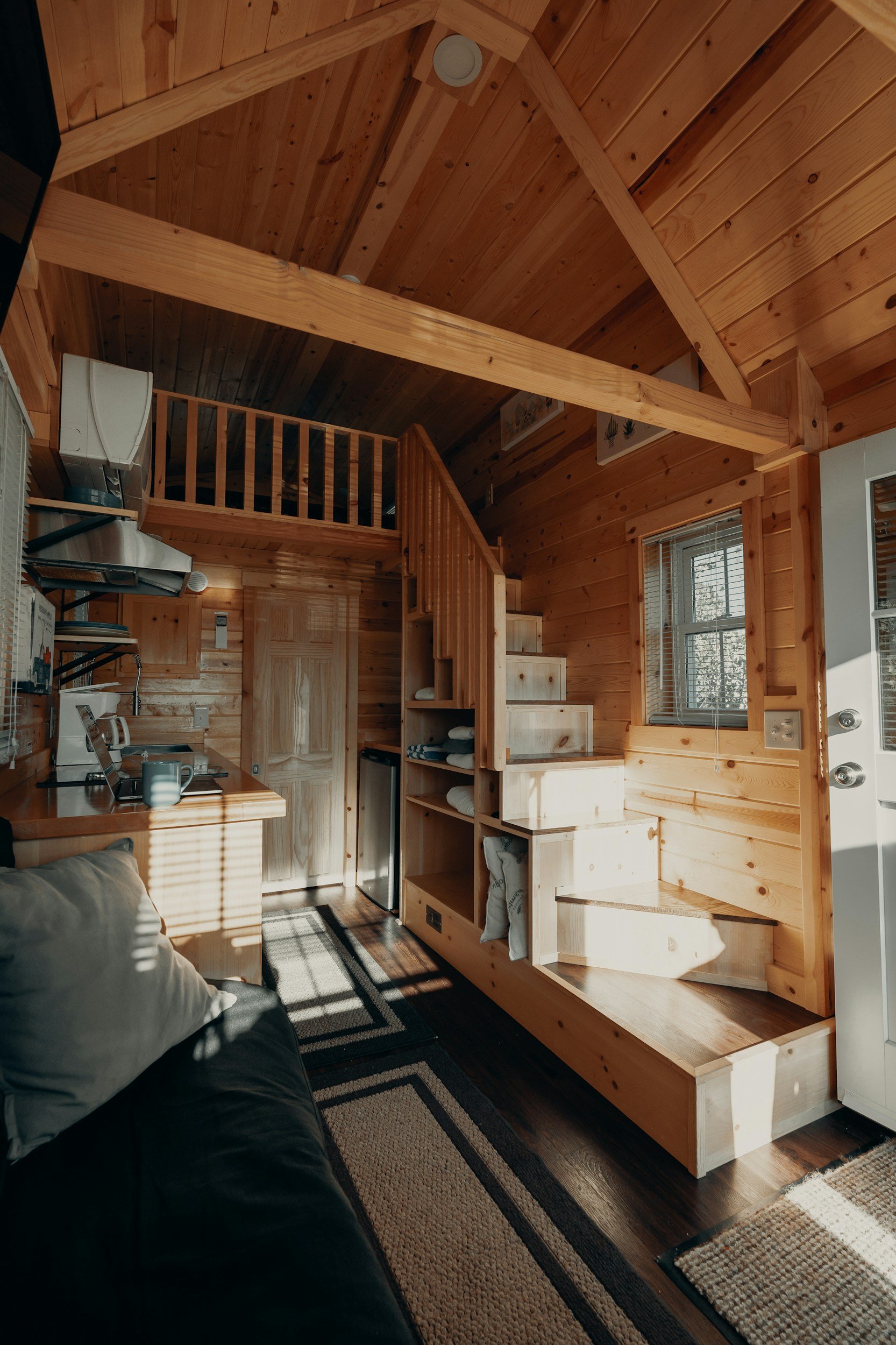
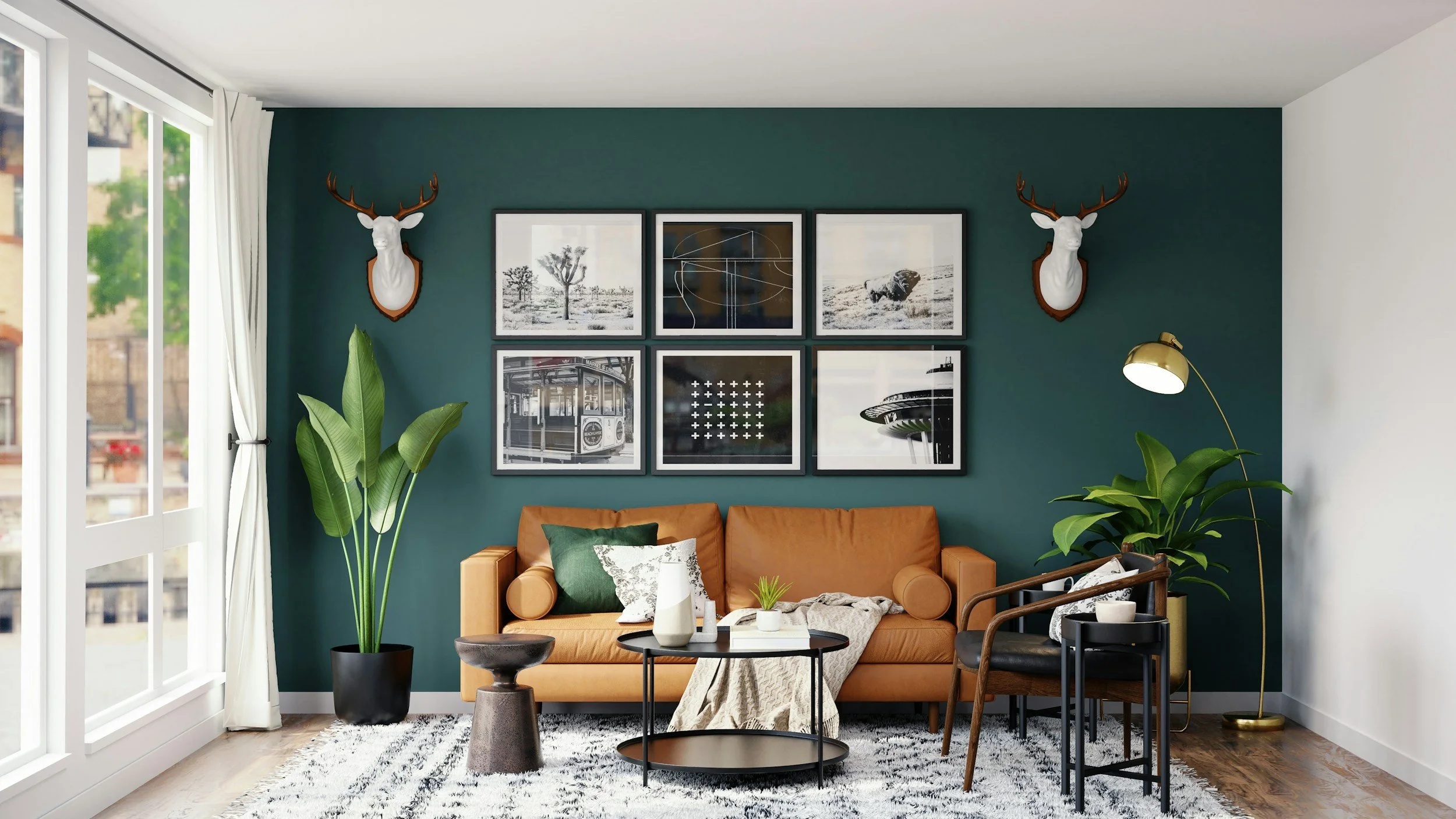
Minimalist Space
A home with only a few chosen belongings, where open space and simplicity feel grounding.
Possessions are kept to what feels meaningful or useful. This style prioritises ease, breathing room, and calm through less, rather than constant upkeep or strict rules.
-
![]()
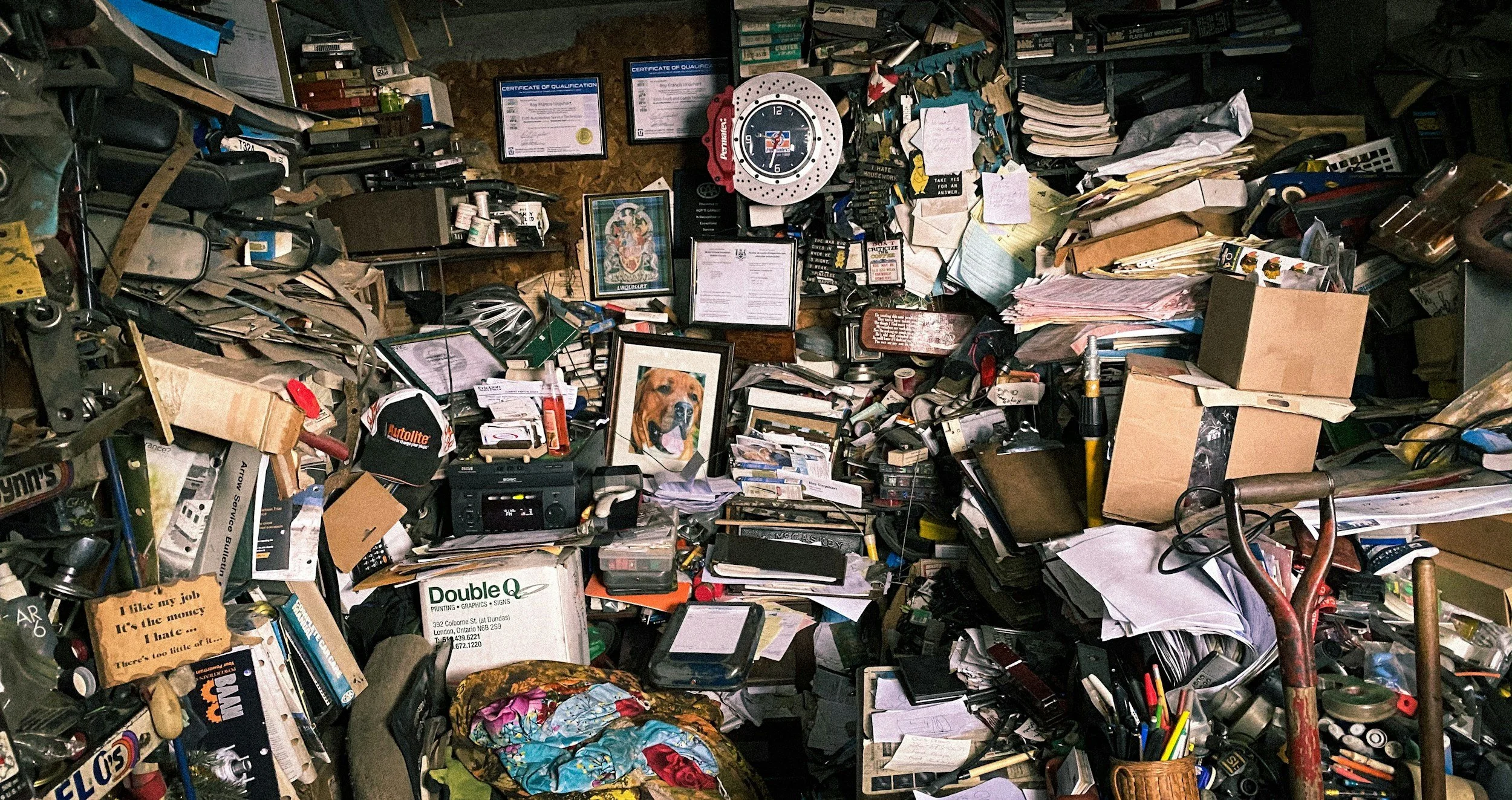
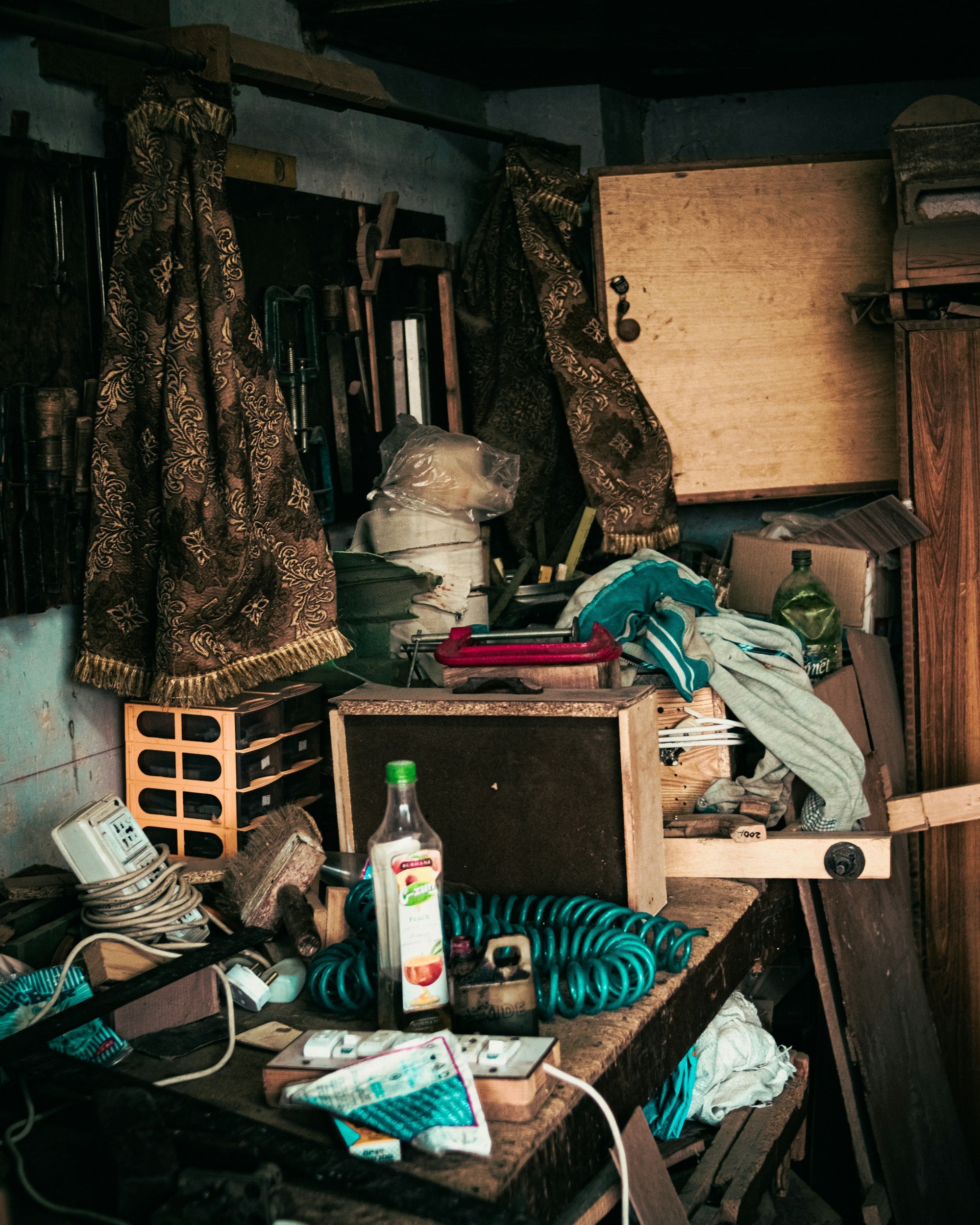
High Volume Space
A home holding many belongings.
Some areas may be hard to move through or use as things gather over time. The volume can bring practical challenges such as reduced pathways, difficulty reaching areas, or increased fire or fall risk.
-
![]()
Busy - active home
A home with life in motion. Schedules are full, people come and go, and daily tasks overlap.
You might see projects on the table, school bags by the door, sports gear waiting to be used, or meals in progress rather than packed away.
-
![]()
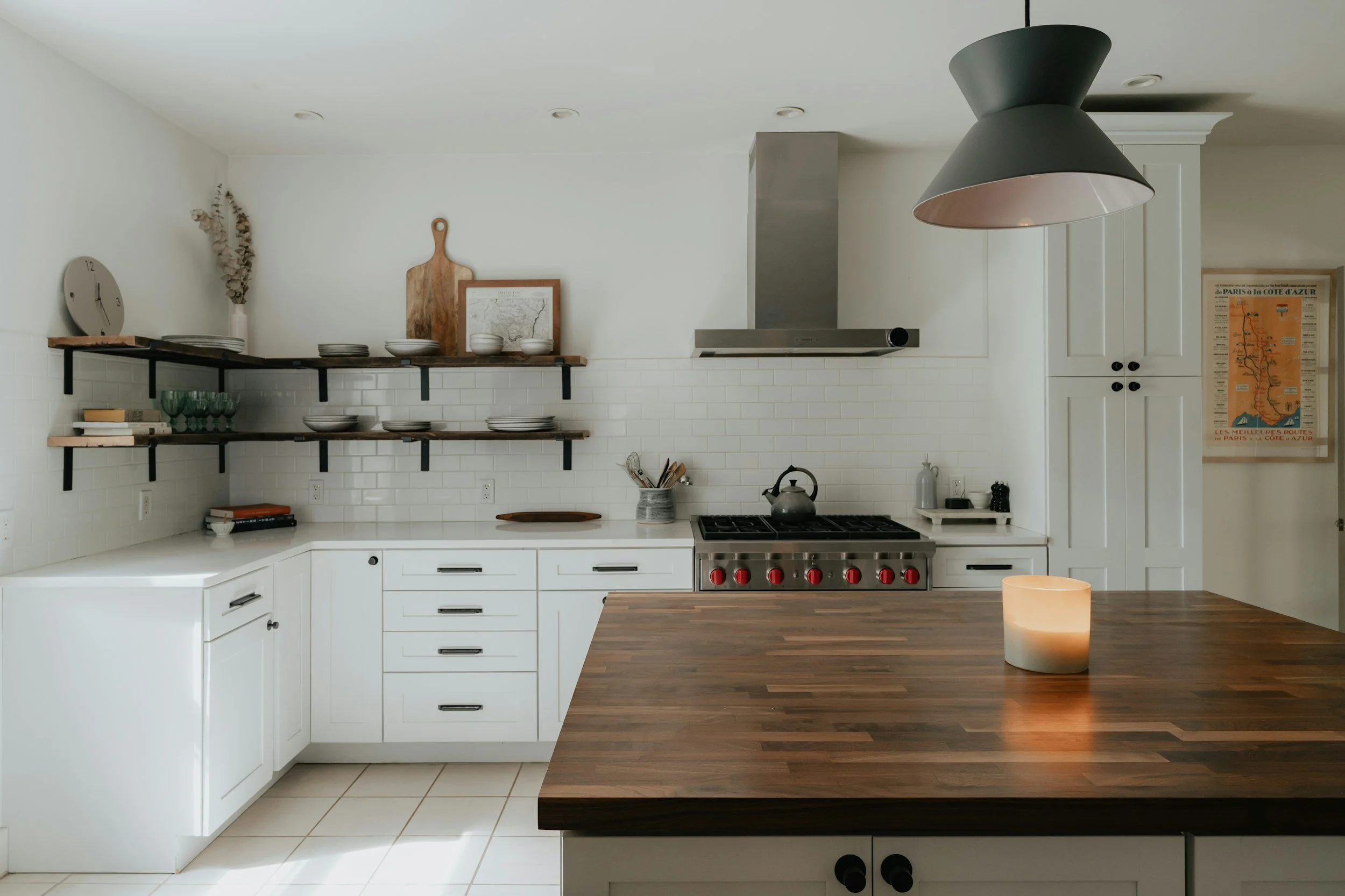
Streamlined Intentional
calm, orderly, and predictable.
Everything has a place, and clear surfaces. Structured routines.
Some people enjoy this style because it helps them feel settled, focused, and in control of their environment. Others simply love clean lines, simplicity, and open space. -
![]()
Unsanitary space
A home with built-up waste, soiled areas, or pests.
Some areas may be difficult to use or clean, and surfaces or pathways may be compromised, increasing health and fire risks. -
![]()
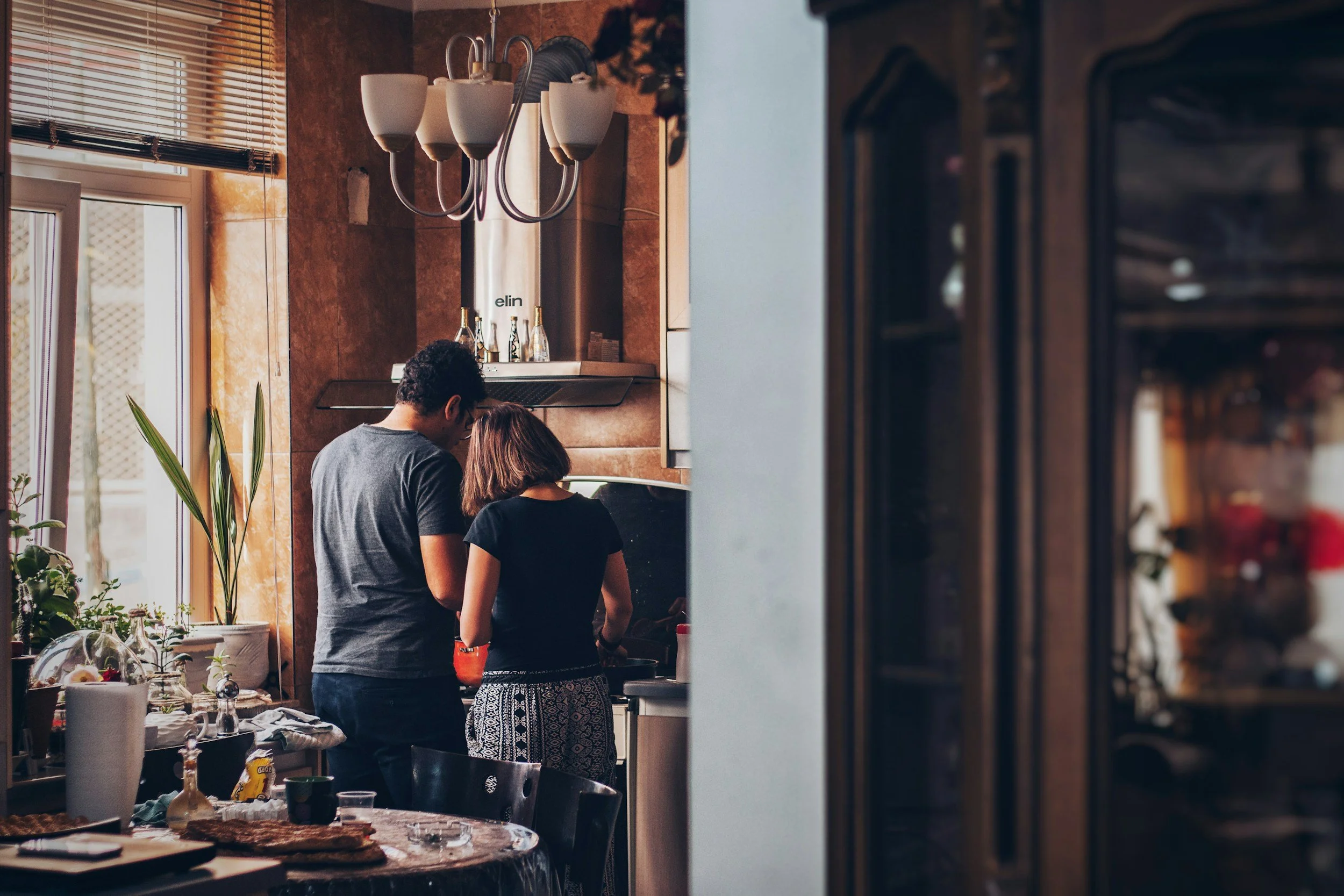
Organised Space
A home that feels functional and easy to live in. Belongings have places to return to, and everyday tasks flow smoothly.
The kitchen is ready for cooking, the bed is available for rest, and pathways are clear for movement and comfort. -
![]()
Lived in
A home where everyday life is visible. There may be dishes in the sink, laundry waiting to be folded, or items left out between uses.
Rooms are usable, movement is comfortable, and any surface-covering or clutter shifts naturally as life allows.
-
![]()
Restricted-Access
Description goes here

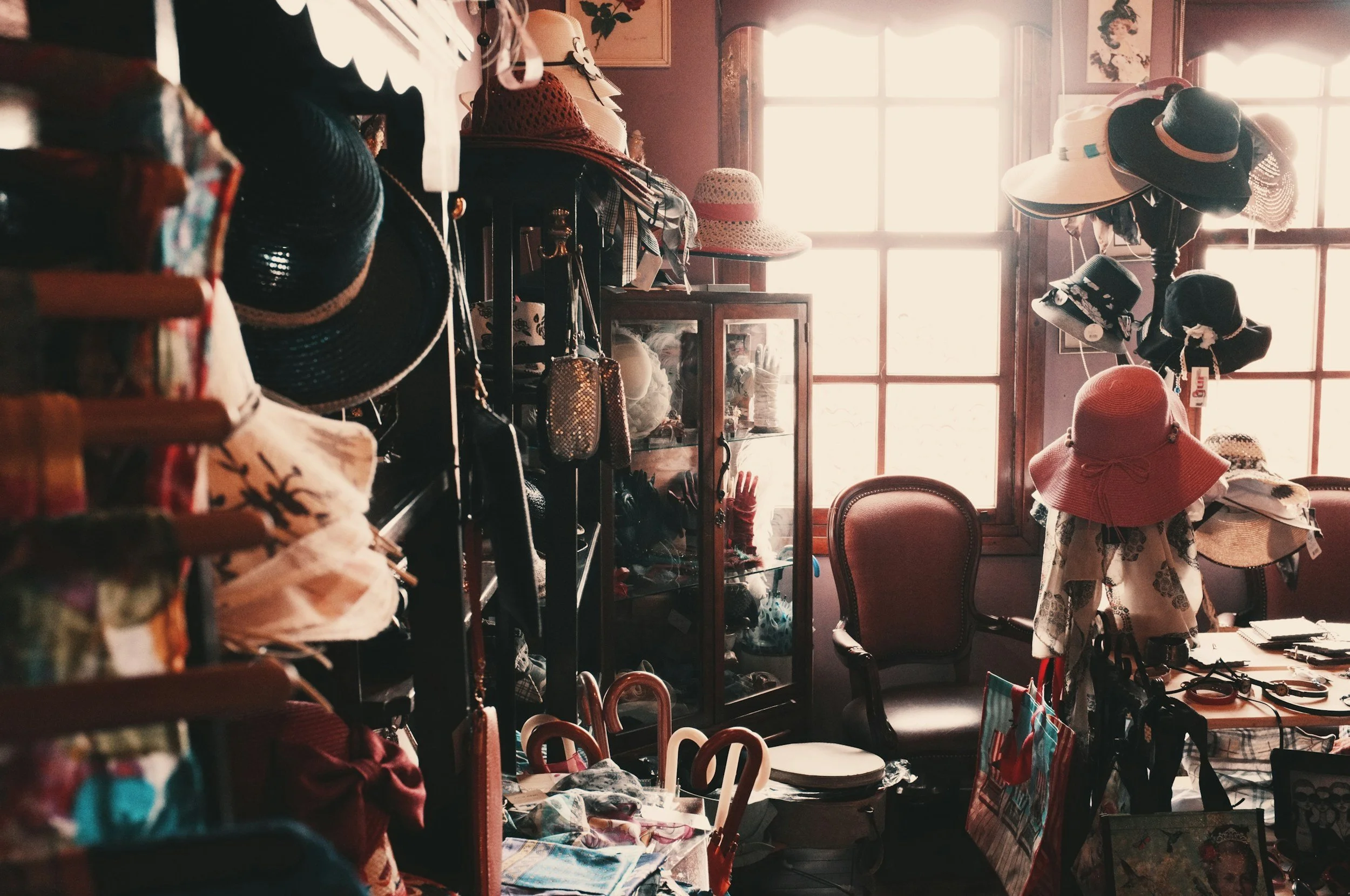
5️⃣ Understanding What’s In Our Spaces
Meaning, memory, belonging, identity — why we hold onto what we hold dear.
Things aren’t just “things.”
Why Things Matter
Our homes grow and change just like we do. Some weeks everything feels in its place a clean bench, washing folded, the kettle ready for a cuppa, a favourite throw on the couch.Life’s moving smoothly and the space feels clear and easy.
And then there are other weeks.
Big work load. Family stuff. Health dips. Life admin piling up.
Or maybe just… tired.
Life gets full, and the house quietly fills too: bags by the door, papers waiting for later, things we plan to get to when we’ve got the headspace.
It’s not mess. It’s life catching its breath.
Sometimes our space feels full because we’re carrying a lot.
Sometimes things stay because we’re not ready to let their story go.
Sometimes objects become anchors and tiny reminders of love, memory, or who we hope to be again.
Homes aren’t meant to be perfect.
They’re meant to hold us - through calm, chaos, growth, rest, and everything between.
They ebb and flow, same as we do.
And when life settles, the space usually settles too, in its own time, at a pace that makes sense.
There’s no “ideal stage” for a home.
Just seasons, rhythms, and real life happening.
What lies behind Why Things Matter
Belonging - Identity - Safety - Love - Memory - Hope - Comfort -Capacity.
-
We keep things that help us remember who we are, where we come from, and what matters to us.
Photos
Books
Objects from childhood
Tools for hobbies
Cultural or family items
It’s not “stuff” — it’s self.
-
Where I fit.
Who I connect to.
Culture, family, community, memories of being part of something -
Some things stay because they make us feel steadier in the world:
“I might need this”
“This means I’m prepared”
“If life turns again, I’ll have something to hold onto”
That isn’t clutter.
That’s safety strategy.
-
Objects often hold relationships.
A gift from someone we love
Something a child made
A jumper from Mum
It’s not the item —
it's the connection stored inside it.
-
Belongings carry meaning when we don’t want to lose part of a story.
Where we’ve been
Who we’ve loved
Versions of ourselves we still honour
Memory isn’t housed in the brain alone —
sometimes it lives on the shelf.
-
Some things represent possibility.
Craft supplies for later
Clothes for “when I get back into it”
Books for learning
Gear for hobbies we still want to return to
That’s not procrastination —
that’s hope in physical form.
-
Some items soothe us just by existing.
Soft things
Familiar things
Beautiful things
“I like knowing this is here”
Comfort is not a weakness —
it's nervous-system wisdom.
-
Sometimes things simply stay because life is full, and we're human.
Not avoidance.
Not laziness.
Just energy doing its best.
Why Things Matter
Meaning & Identity in our spaces
Our belongings hold more than physical space they hold meaning.
Whether a home feels calm and minimal, full and busy, or somewhere in between, the items we keep often reflect:
who we are
where we've been
who we love
what we hope for
what we've survived
what we’re not ready to let go of
what still matters
Meaning is present in every point on the spectrum —
from a streamlined room to a room filled with layers of life.
Meaning doesn’t disappear when things get hard, it transforms
When spaces are under strain, meaning often shifts into:
comfort objects
memory anchors
emotional placeholders
connection to identity when life feels unstable
proof of existence, effort, or love
“life still in motion”
This isn't weakness.
It’s adaptation in real time.
When life feels steady (regulated / resourced)
Meaning shows up as:
treasured memories
chosen objects
intentional comfort
inspiration & identity expression
tools for living, hobbies, creativity
ritual & routine
The space supports life, and life supports the space.
Belongings feel like anchors, joy, expression, usefulness.
When life is full, changing, or stretched
Meaning can look like:
sentimental holding
“I’ll get to this when life slows down”
future goals waiting for capacity
reminders of identity, purpose, belonging
items linked to care roles, transitions, loss, or growth
safety objects when life feels uncertain
Belongings become support and reassurance, not “excess.”
When energy, capacity, or life-load overwhelm us
Meaning may become intertwined with:
grief objects
identity protection
reminders of who we were / who we hope to be
fear of loss (after trauma, instability, or hardship)
safety through possession (when world feels unsafe)
unfinished emotions held in physical form
Belongings can act as memory, protection, continuity, and self-preservation.
Still human. Still valid.
The goal isn’t to prove worth through space.
The goal is to understand, so we can support our homes and ourselves with clarity, dignity, and kindness — wherever we are in our season.
(Meaning & Attachment)
-
Love - memory - connection
Sentimental attachment

-
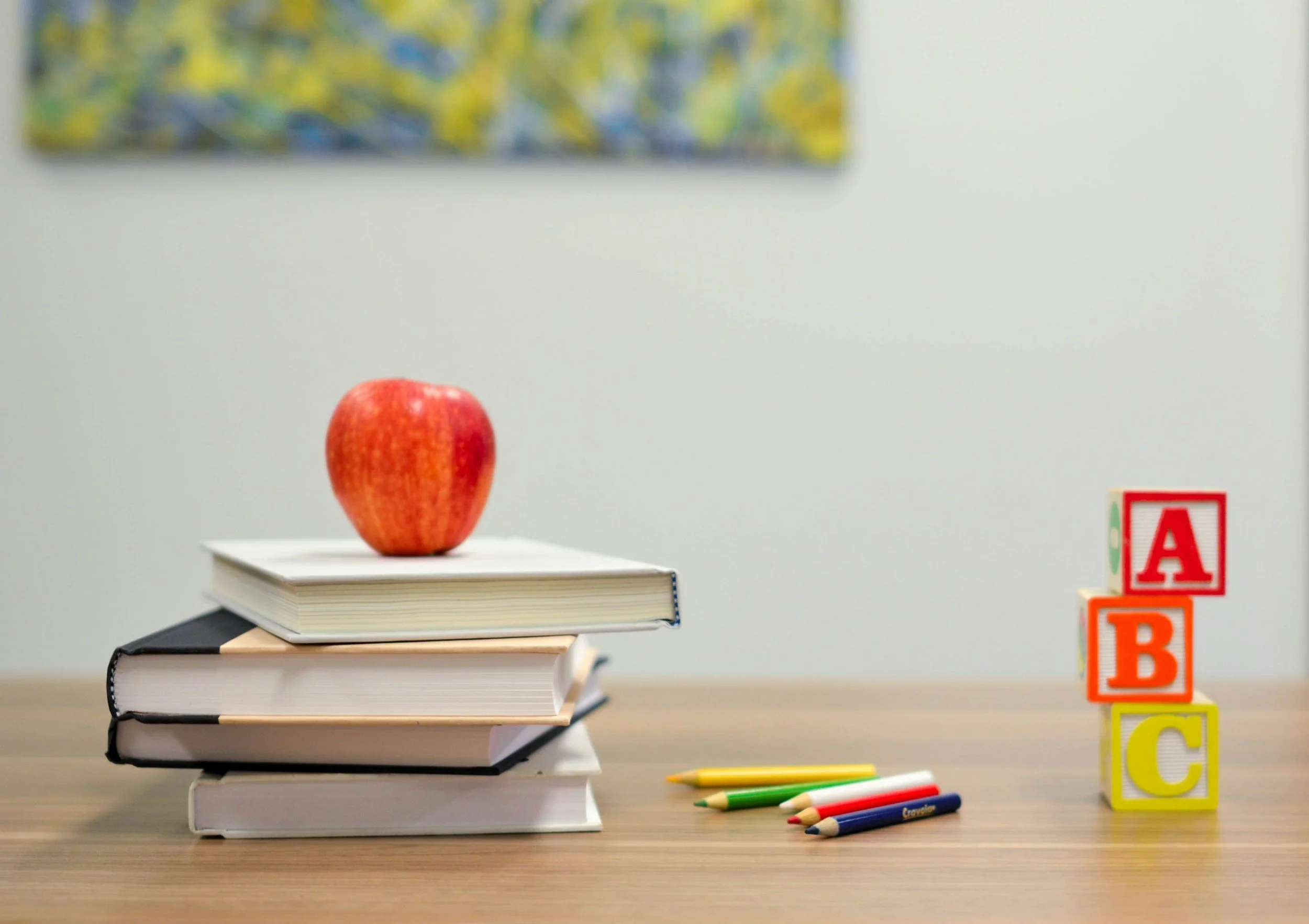
Identity reinforcment
This is part of who I am
-
Security - seeking
Safety in having “just in case”

-
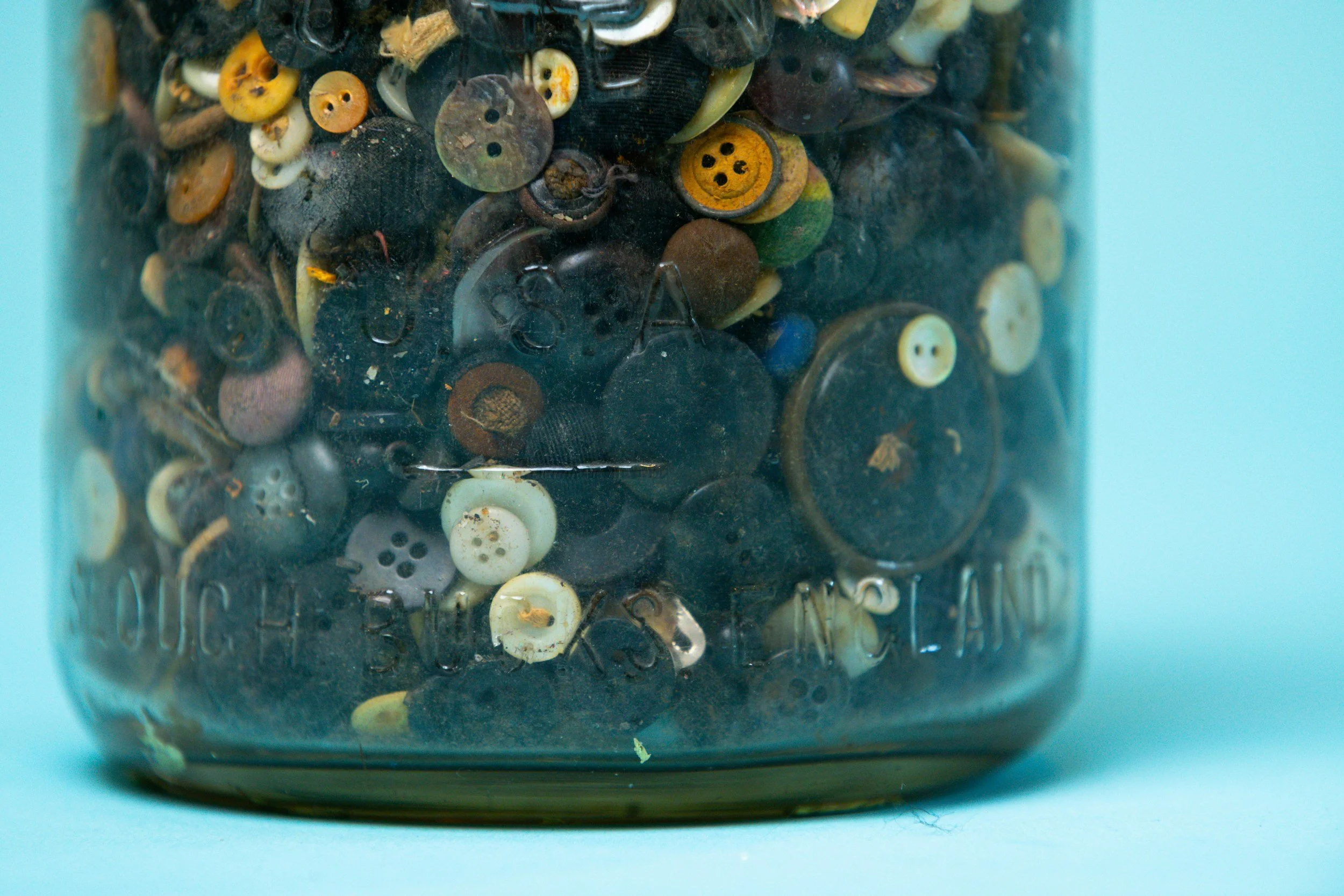
Future-self optimism
I will use/need it some day
-
Creative/purpose objects
Hobbies + meaning

-
This is me

-
Protective storing
Not ready to let go

-
Moral / resource values
Waste feels wrong

-
Meaning is not irrational
Homes aren’t just containers for objects, they’re containers for meaning.
We don’t keep things because we’re careless, weak, or failing.
We hold onto things because they hold something for us:
memories
identity
comfort
security
hope
future plans
unfinished chapters
Meaning isn’t irrational, it’s deeply human.
The way we arrange, save, use, or delay decisions about objects often reflects love, history, and life in motion
What Affects a Space
Space Pressures - Why space shifts
-
It is not lack of discipline it is load vs capacity.
Executive functioning strain
Brain tired / too many tabs open
Mood and anxiety shifts
Emotions pulling energy
Grief and trauma
Heart heavy / brain protecting
ADHD / Neurodivergent
Brain works differently
Fatigue / illness / disability
Body can’t keep up right now
Perfectionism and fear
If I start, it must be perfect
Decision fatigue
-
Spaces are emotional landscapes, not moral measures.
Life Transitions
New Chapter
Role Change
Stress Load
Too much at once
Support gaps
Doing it alone
Time poverty
Financial strain
Care responabilities
When life stretches us, spaces respond.
Space Behaviours - How Stuff Moves or pauses
-
![]()
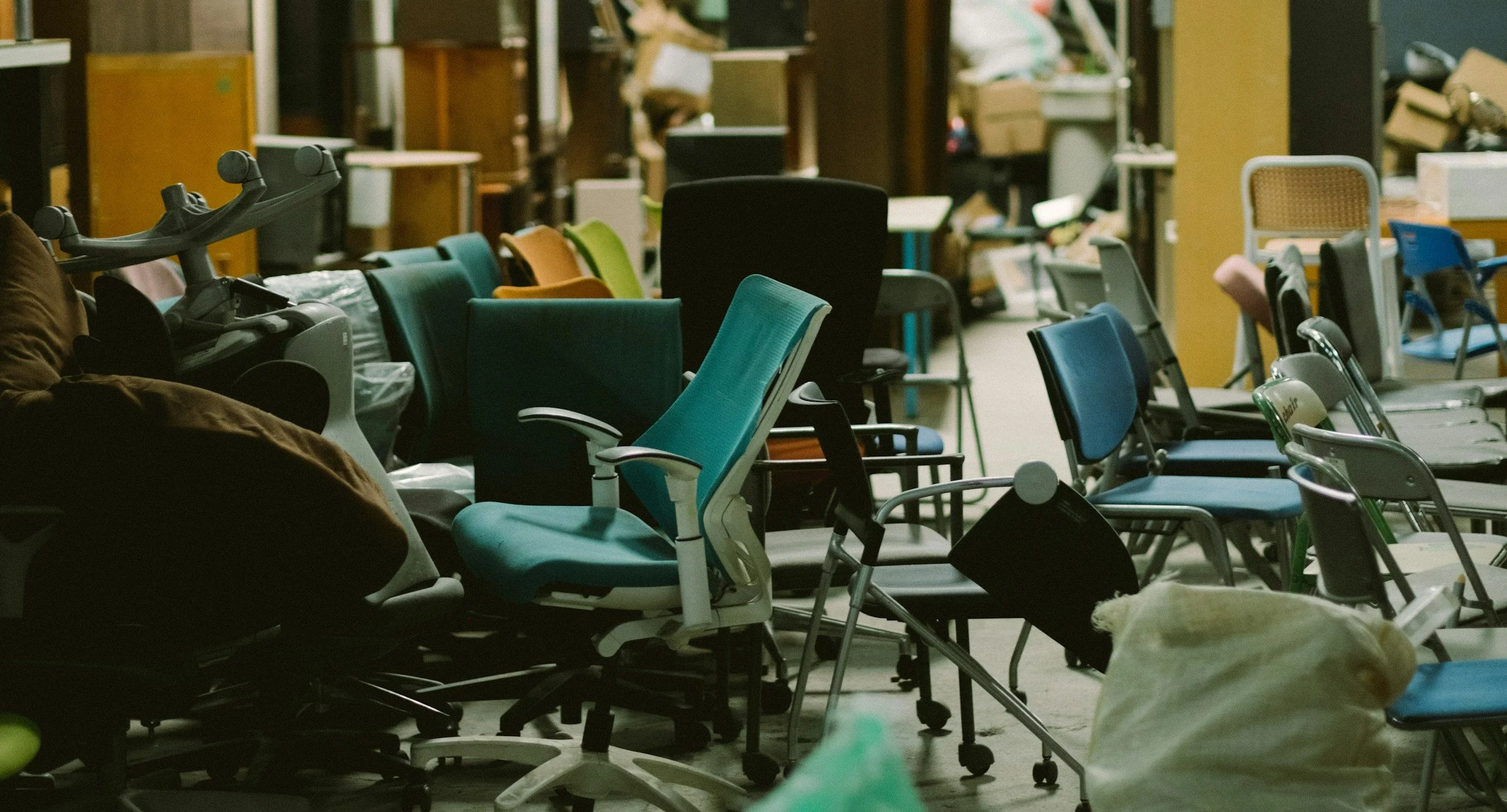
Clutter
Things visible / unsettled
-
![]()
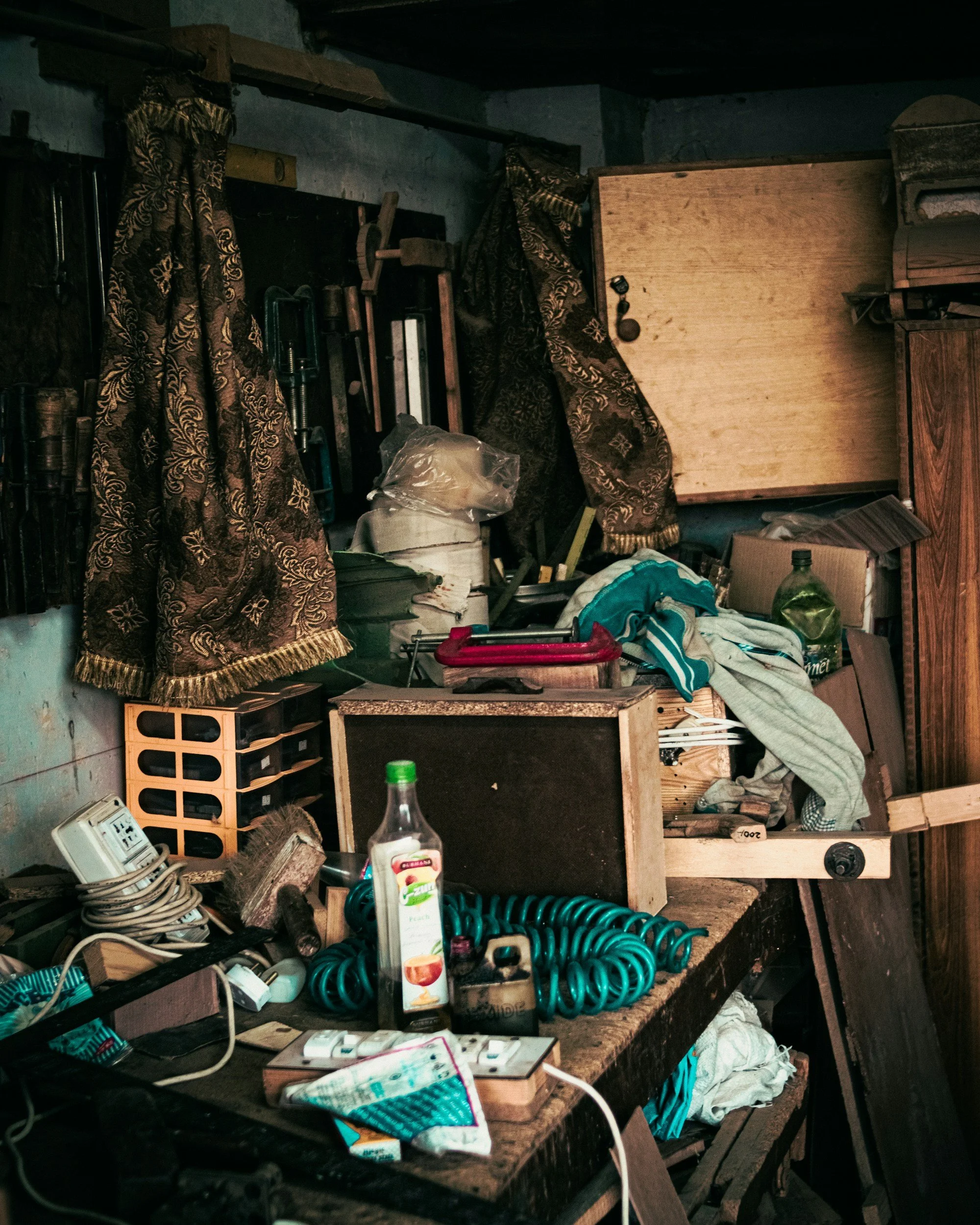
Disorganisation
Harder to keep routines flowing
-
![]()
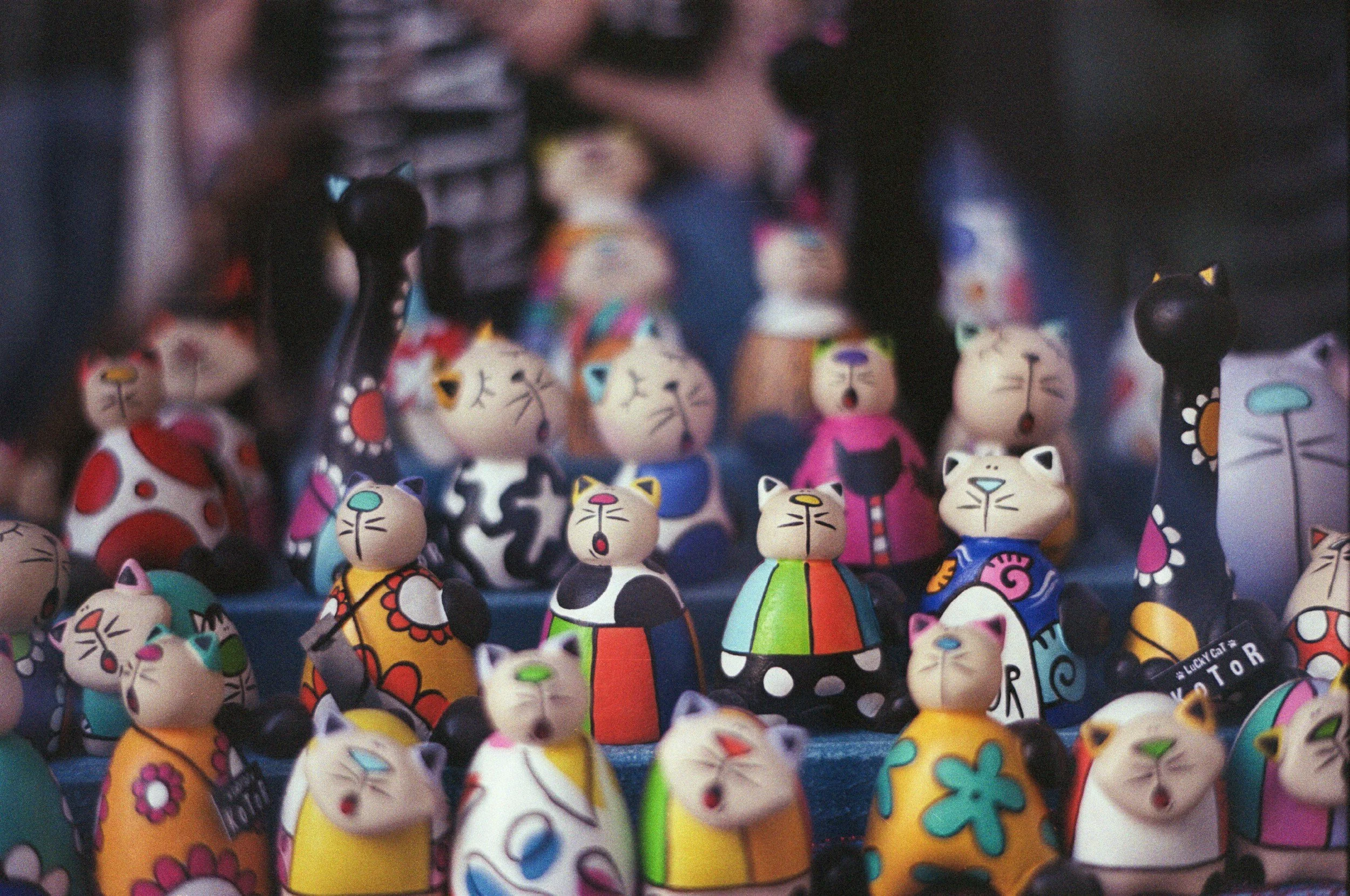
Collecting
Meaningful gathering
Curating / enjoying categories of things
-
![]()
Excess accquiring
Bringing things in fast
Items arriving faster than it leaves
-
![]()
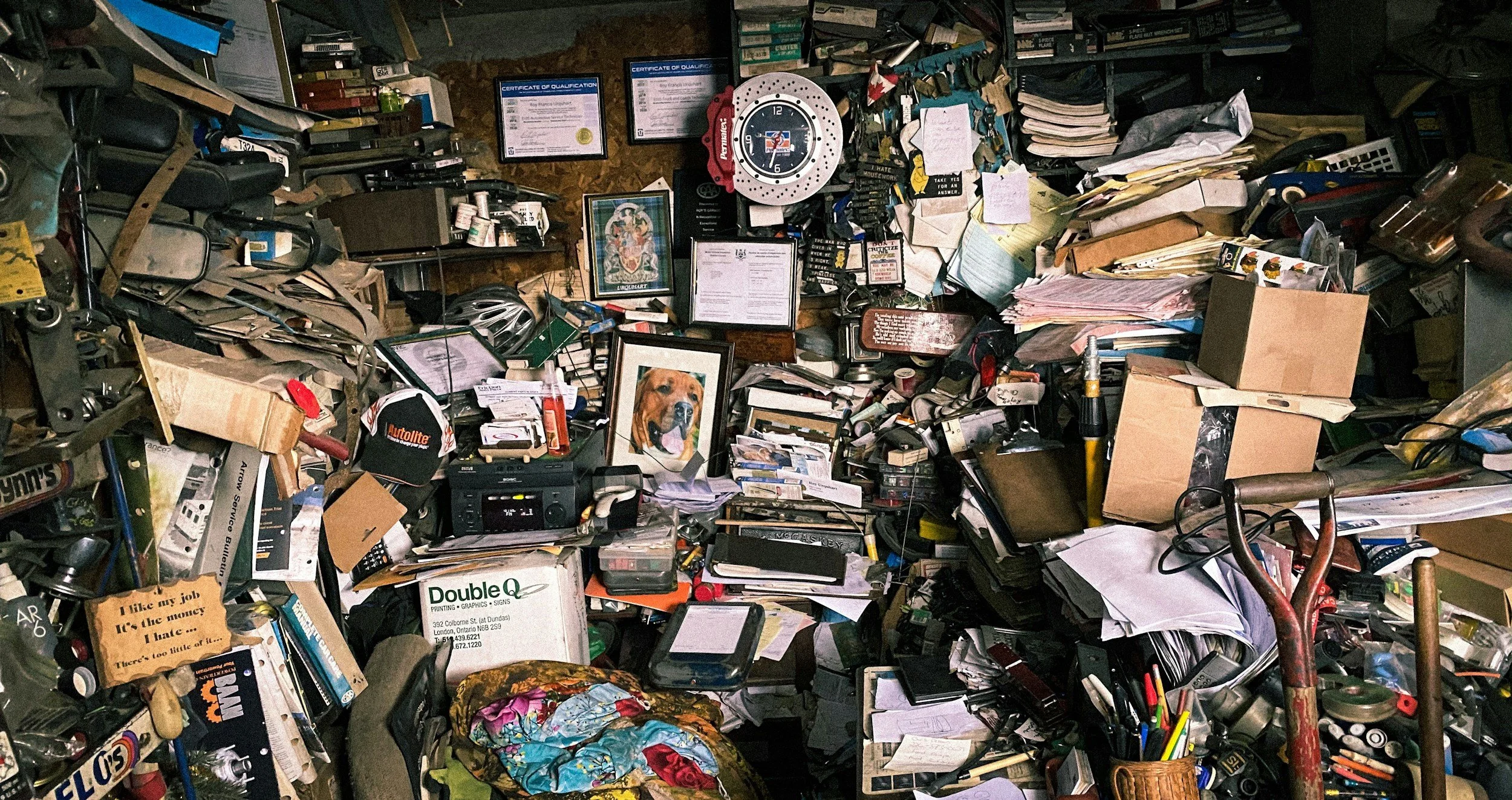
Hoarding
Hard to part with items + pace impact
Items take over needed space
-
![]()
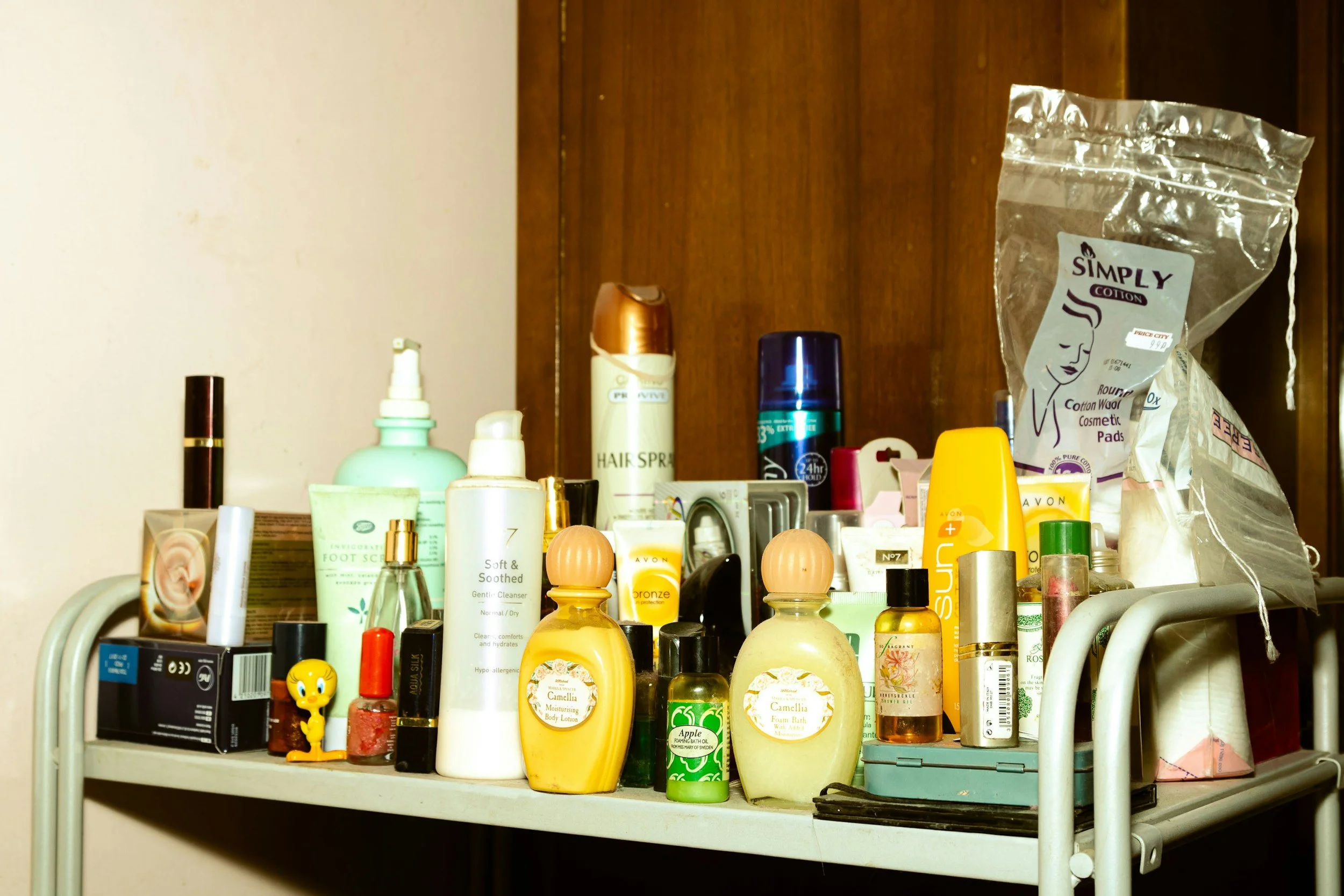
Squalor
Hygiene and safety concerns

Space Drivers / Emotional States
-
![]()
Family
-
![]()
Identity shift
-
![]()
Illness - Pain
-
![]()
Financial stress
-
![]()
Creativity seasons
-
![]()
Grief loss
-
![]()
Life change
-
![]()
Care responsibility
-
![]()
Fatigue
-
![]()
Friends
-
![]()
Disability
-
![]()
Isolation
-
![]()
Lack of support
-
![]()
Trauma
-
![]()
Emotional attachment
-
![]()
Role shifts
-
![]()
Burnout
-
![]()
capactiy changes
-
![]()
Avoidance cycles
-
![]()
Dreams emerging

















Function, comfort, or ease may reduce
Still not failure — simply capacity meeting life load
Intersection — When These Layers Overlap
When space + load + relationships + feelings overlap
Signals a space might feel harder:
Less comfortable
Less functional
Harder to move through
Emotionally heavy
Unsafe or overwhelming
🛈 This calls for support, not shame
Gentle Self-Reflection Tool
Not an assessment — a check-in
Prompts to ask:
What is my space reflecting right now?
What season am I in?
What matters most here?
What help or support would feel good?
🛈 Awareness → compassion → choice
Reassurance / Ending Message
You are not the space
Spaces shift with life
Support is strength, not failure
You're allowed to rest, pause, ask, evolve
There is no “right” home — only yours
Support Pathways (Optional section later)
Self-paced change
Supportive tools
When to seek professional help (in empowering language)
Space Drivers / Emotional States
(what we FEEL or are navigating)
overwhelm
grief
capacity changes
decision fatigue
emotional attachment
avoidance cycles
trauma
neurodivergence
mental health load
caregiving demands
illness
low support
burnout
Space Pressures / Capacity States
What the person is feeling or facing.
(Overwhelm, grief, fatigue, trauma, ND needs, life load, low support)
(what's happening inside & around someone)
Middle Layer: The LOAD
(what’s happening in life)
- Stress, grief, low support, ND needs, illness, burnout, trauma
Section: Space Load / Life Pressures
What someone may be carrying or navigating internally or externally.
Grief or loss
Trauma load or emotional overwhelm
Neurodivergence needs
Fatigue / burnout / illness / disability
Care burden (kids, elders, health crises)
Financial stress / life instability
Isolation / reduced support
Executive functioning demands
Transition periods (moving, life change, divorce)
Decision fatigue
Safety + survival priorities
Belongings & Meaning
Ways We Relate to Things
Saving for “just in case”
Keeping for memory / identity
Collecting for joy or meaning
Acquiring for comfort or readiness
Difficulty letting go
Care / preparedness mindsets
Anti-waste / sustainability values
Belongings often carry purpose, history, or hope.
Space States
(what we SEE)
clutter
fullness
high volume
restricted access
unsanitary
functional.
minimal
1) Spectrum of Space
What the environment looks like.
(Minimal → Lived → Cluttered → Full → Restricted → Unsanitary)
| Category | Describes |
| ------------------------------ ----------- | ---------------------------------------------- |
| Minimalist → Streamlined → Organised | Lower-volume, high-function |
| Lived-In → Busy → Temporarily Full | Life in motion, flexible function |
| Cluttered → High-Volume → Restricted Access → Unsanitary | Volume/conditions affecting function or safety |
Object Relationship & Behaviours
(what we DO with objects)
collecting
keeping for meaning
acquiring
difficulty discarding
saving for “just in case”
sentimental holding
reuse/prepper mindset
environmental values (anti-waste)
fear of loss
Section: When These Interact
Hoarding emerges when:
High emotional load
strong attachment/keeping/acquiring patterns
increasing space strain / loss of function
Squalor emerges when:
Space strain
low capacity / low support
hygiene tasks cannot keep up
Not identity. Not character. Not failure.
Bottom Layer: The RELATIONSHIP
(to belongings)
- Keeping, saving, collecting, acquiring, difficulty releasing
3) Object Relationships & Patterns
How someone relates to possessions.
(how someone relates to their things)
(Collecting, acquiring, keeping, difficulty releasing, sentimental holding)
Section: Object Relationships & Patterns
How someone relates to belongings.
Sentimental holding
“Just in case” saving
Collecting for joy / identity / meaning
Acquiring (for comfort, readiness, identity, value)
Difficulty letting go
Resource protection / anti-waste values
Fear of regret or loss
Future-self planning / security seeking
Emotional attachment or memory-anchoring
When These Layers Overlap
When Spaces Feel Harder
A home may feel:
Less comfortable
Less functional
Hard to move through
Emotionally heavy
Unsafe or overwhelming
This doesn’t call for shame — it calls for gentleness, pacing, and support.
✅ 2) User-Friendly Category Names
Clinical term User-friendly name
Clutter Things out + life moving
Disorganization Routines + systems shifting
Collecting Meaningful gathering
Excess acquiring Bringing things in faster than they leave
Hoarding When belongings take over needed space
Squalor When cleaning needs get ahead of capacity
B✅ 4) Intro Paragraph (website-ready)
Homes aren’t moral tests — they’re mirrors of our lives and seasons.
Spaces shift with energy, support, emotion, health, memories, and meaning.
Some phases feel organised and steady. Others feel full, paused, or overwhelmed.
What we see in a room is never the whole story.
Space, life load, and our relationship with belongings all influence each other — and each deserves understanding, not judgement.
This model helps map those experiences so people can recognise where they are, what they need, and how to move with compassion toward their space and themselves.
✅ 5) Self-Reflection Tool
Which part of your space feels most true right now?
Environment
☐ Calm & steady
☐ Busy and lived-in
☐ Things gathering faster than they move
☐ Hard to use some areas
☐ Space feels unsafe or overwhelming
Life Load
☐ Emotionally heavy phase
☐ Grief or transition
☐ Illness, pain, disability, fatigue
☐ Executive functioning strain
☐ Caring for others
☐ Limited support or energy
Belonging Relationship
☐ I keep things for meaning or memory
☐ I save things “just in case”
☐ I collect what brings joy or identity
☐ Letting go feels uncomfortable
☐ I bring in more than I can process right now
What support would feel kind, not stressful?
☐ Time + pacing
☐ Gentle company while sorting
☐ Practical help with tasks
☐ Emotional support / no judgement
☐ Tools / systems / alternatives
☐ Getting clarity before action