When Space Matters and When It Doesn’t
A real look at how we all use, need, or ignore our environments
Space matters differently for every person.
For some, it offers safety, comfort, connection, or a sense of belonging. For others, it’s simply a practical base, a place to sleep, store things, or land between the parts of life that feel more important. Some people thrive in their space, some feel limited by it, and some barely think about it at all.
Space and life shape one another in a quiet loop.
The environment influences how we think, cope, and move through the day, and the way we’re coping shapes the environment we create, maintain, or allow. There’s no universal rule — space matters when it meets a need, and sometimes that need is small.
Space matters only when it affects a person’s wellbeing, functioning, safety, identity, or daily life and if it doesn’t affect those things, then it doesn’t have to matter at all.
You and your space are always communicating, even when you don’t notice it
When life feels steady, the space opens and supports you.
When you’re stretched, the space starts to show it.
And on days when the home feels heavy, it often mirrors.
The truth is, your space shapes you, and you shape it right back
Our homes do more than hold our belongings.
A Place for Living and Being you
A home is more than walls and rooms, it’s a place that carries meaning, even when that meaning changes. How we use our space sits on a broad spectrum, just like our wellbeing.
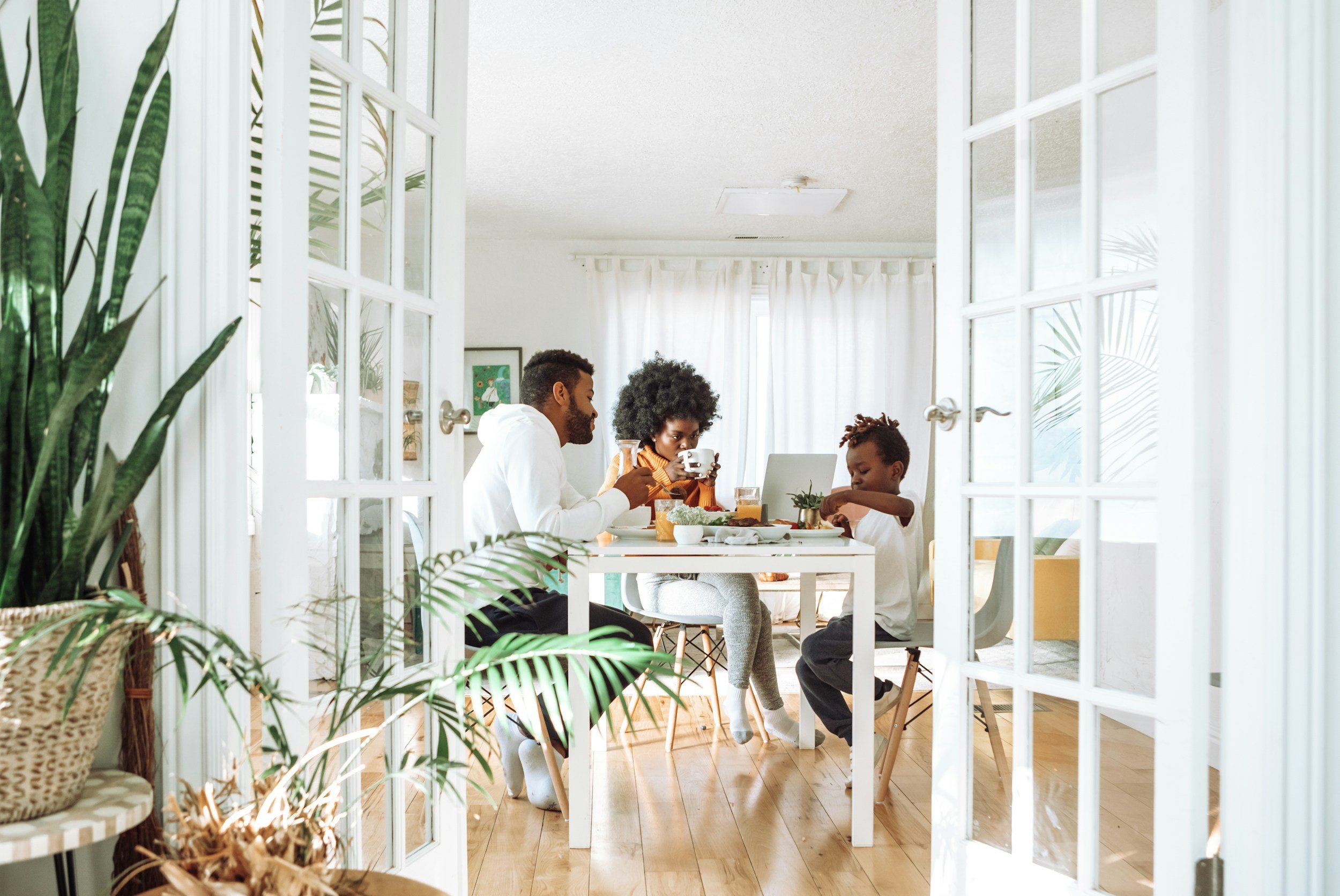
Many people sit somewhere in the middle. Home is neutral, a practical stop between work, rest, and responsibilities. It functions, it holds their things, but it doesn’t speak to them deeply. The meaning here is utility rather than connection.
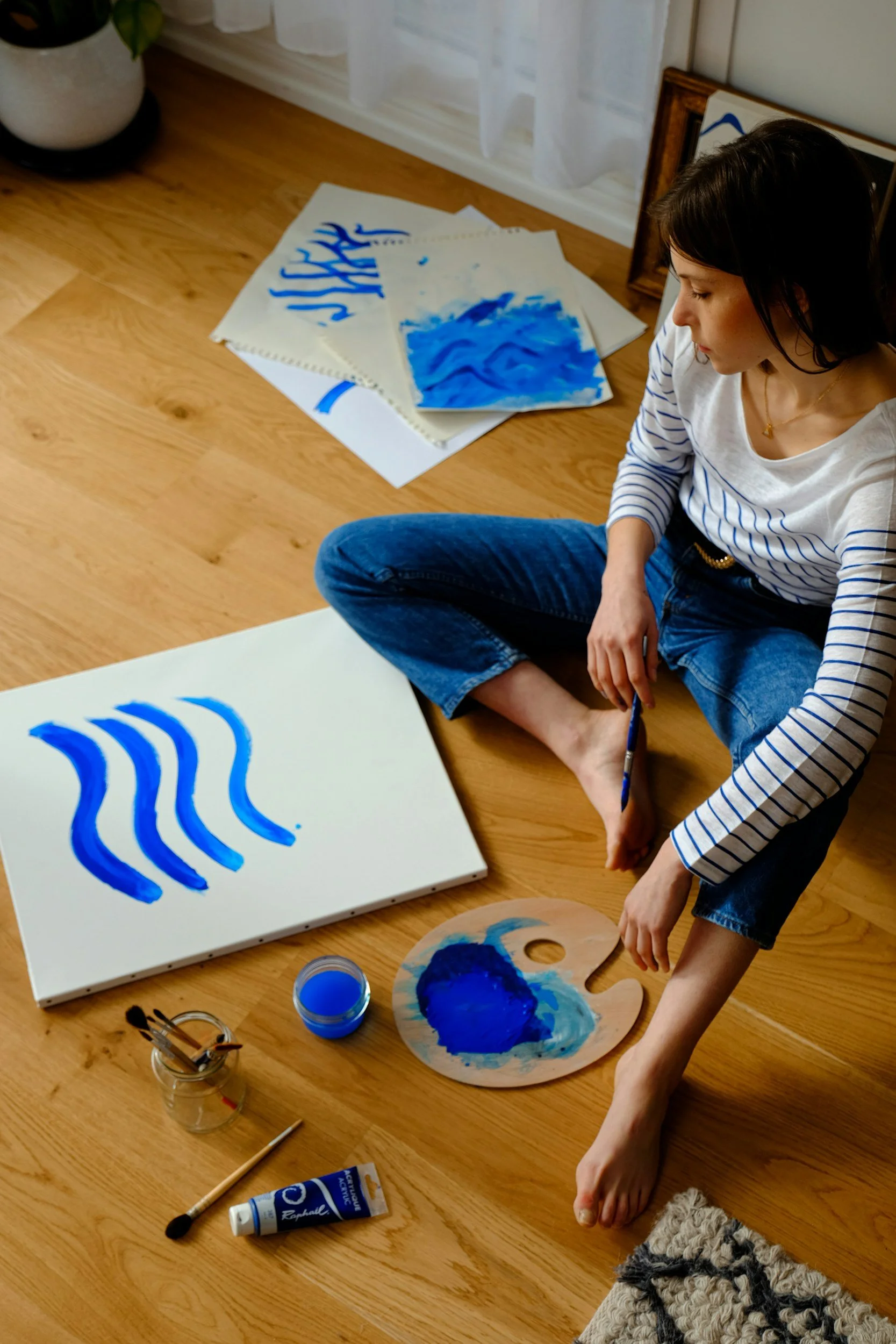
At the other end of the spectrum, some people use their space to create, grow, explore ideas, or build routines that support them. Home becomes a place for expression, nourishment, and possibility. Meaning comes from engagement, purpose, or identity.

Most of us move along this spectrum over time.
Meaning shifts. The role the space plays shifts.
Sometimes home supports us. Sometimes it strains us. Sometimes it simply exists alongside us.

For some, home becomes a place to withdraw, protect themselves, or stay unseen. Meaning here is about safety, control, or simply getting through the day. Others may feel confined by their space, as if it limits them or reflects a life that no longer fits.
Why space matters in the most ordinary, everyday ways
There’s no right meaning to place on a home.
It can be a refuge, a burden, a workplace, a creative hub, a meeting point, or a quiet resting place.
What matters is recognising that space changes its meaning as life shift, and that this is normal for everyone.
To have privacy and boundaries
To celebrate or grieve
To feel held, or feel free
To build routines or break them
To belong to yourself, even when the world feels chaotic
To invite people in
To close the world out
To create, make, build, or explore
To rest without explanation
To share life with partners, family, pets, or no one at all
When space meets our most basic needs, it matters
It can anchor us, hold us, and remind us that we have somewhere to be.
A home, room, or even a small corner provides
-
One of the most important roles of a home is to give us a sense of safety. A space where we can close the door, protect ourselves from the outside world, and feel secure in our own environment
-
Privacy. It allows us to rest, think, recover, and simply be ourselves without pressure or interruption.
-
Space helps us feel like we have a place in the world.
A home, room, or even a corner can hold pieces of who we are, our culture, memories, and personal story.
-
Our space often reflects who we are, where we’ve come from, and what matters to us. The objects we keep, the colours we choose, the way a room feels — these small details can hold pieces of our story. A home can show our culture, our memories, our personality, and even the parts of ourselves we’re still growing into.
Identity in a space isn’t about style or perfection.
It’s about having a place that feels like you — familiar, honest, and connected to your life.
-
Rest feels different for everyone. Some people unwind best in a quiet or calmer space, while others relax in a room that feels warm, busy, familiar, or full of life.
What matters isn’t how the space looks, but whether it helps your body slow down in the way that feels right for you. Comfort is personal, and it changes with each season.
-
Daily routines feel easier when a space works with you rather than against you. For some, this means having clear paths and easy access to what they need. For others, routines flow best in a lived-in environment where everything is close at hand.
A supportive space is simply one that makes your day feel smoother in the way that suits you.
-
Every home carries a social atmosphere.
Some spaces feel inviting the moment you walk in, others feel more private, gentle, or selective.
Connection doesn’t come from décor, but from how comfortable you feel being yourself , whether with one person, many people, or no people at all.
-
The things we keep often remind us of chapters, people, and moments that shaped us.
An object can hold comfort, history, or unfinished feelings.
Meaning in a space isn’t about value or aesthetics — it’s about the quiet role certain things play in grounding us or reminding us who we are.
-
Life shifts, sometimes quietly, sometimes all at once.
Through those shifts, the home can offer something steady, a familiar chair, a morning pattern, a room that hasn’t changed.
Stability doesn’t require perfection; it often shows up in the simplest reminders that some parts of life are still holding.
-
Everyone needs a sense of say over their environment.
For some, expression looks like colours, layout, or treasured items.
For others, control shows up in small choices — how a corner is used, what stays out, what stays close.
Expression is personal; it’s the space reflecting your way of being in the world.
When we pay attention to the ecology between our inner world and the space around us, things begin to make sense.
SEA is simply the lens that helps you see it more clearly.
Did we shape our space, or did our space shape us?
The truth is, it’s both.
We create our homes through small choices, habits, and seasons,
and at the same time our homes quietly influence how we feel, think, cope, and behave.
We’re always forming the space, and the space is always forming us a perpetual loop, not a line.
Do we all need our own space?
Not everyone needs their own space in the same way and that is completely normal.
Some people feel grounded when they have a room, corner, or private place they can call their own.
Others are happiest sharing, moving between spaces, or living in environments that are communal or flexible.
Some people give up their space by choice.
Some prefer services, routines, or systems that replace the need for a personal environment.
And some people simply don’t care about space at all they treat home like a bus stop between the parts of life that matter more.
There is no universal rule here.
Space is only necessary when it meets a need.
If someone’s needs are met through sharing, movement, community, minimal belongings, or external supports, then not having a personal space is completely valid.
What matters is whether a person feels supported, safe enough, and able to live their life, not whether they have a room or a home that fits a particular model.
So, is it OK not to have a space?
Yes.
It’s OK.
What’s important is not the possession of space, but the meeting of needs, safety, rest, belonging, autonomy, support, or simplicity.
If those needs are met through community, shared environments, temporary spaces, services, or a lifestyle that doesn’t depend on “home,” then not having a defined personal space is simply another human variation.
Wrapping Up: The Meaning of Spaces
Space holds meaning because it supports the way we live — whatever that looks like. For some, home is a place to belong, create, connect, or rest. For others, it’s practical, shared, temporary, or simply a spot to land between the parts of life that matter more. Meaning doesn’t come from how a space looks, but from how it serves the person using it.
A space can hold memories, identity, comfort, or culture. It can also hold survival, transition, or nothing special at all. Some people need their own corner, some thrive in shared environments, and some feel perfectly at ease without a personal space at all.
There is no single meaning a home must carry.
Space matters when it meets the needs of the person in it, whether that’s safety, privacy, connection, expression, simplicity, or support.
Meaning is personal. Meaning changes. And meaning is enough, in whatever form it takes.
How Space Shows Up in Daily Life
-
People think and work differently in different environments.
Some minds feel clearer with open space and fewer distractions.
Others feel more energised, creative, or grounded when they’re surrounded by their things
-
Our space can quietly shape the way we behave.
It can influence how we settle, how we spend our time, how we rest, and whether we feel comfortable inviting people in.
-
Our space can shape the way we make decisions, but there’s no single formula that works for everyone. Each of us thinks best in different environments. Some people find clarity in calm, open spaces, while others feel more grounded and focused in a warm, lived-in room. What matters is noticing what helps you think more clearly in the season you’re in
-
We all rest differently, but good rest usually comes from a space that supports the body, feels safe, and matches our sensory needs. For some people that’s a quiet, clear room. For others it’s warmth, texture, and familiar items
-
Our space can either invite connection or quietly discourage it.
Culture, personality, upbringing, and sense of belonging all shape what feels welcoming or overwhelming.
-
Spaces and coping work as a loop. Supportive environments can make stress feel easier to manage, while overwhelming spaces can add to our cognitive and emotional load. Familiar, predictable surroundings help the nervous system settle, but when we’re stretched, our coping shapes the space as well.
-
A functional space is one that makes daily life easier. It supports smooth movement, easy access to what you need, a predictable layout, and a sensory environment that suits you. It also offers emotional safety and reduces mental load.
SEA Helps You See the Pattern Beneath It
SEA (Space Ecology Approach) helps you understand:
• why your home looks the way it does
• what season you’re in
• what your space might be holding for you
• where overwhelm is coming from
• where your capacity sits right now
• what gentle steps are possible
It’s not about blame.
It’s about clarity.
A Kind Place to Begin
Before you change your space, understand it.
Before you judge it, listen to it.
Before you push through, pause and notice the season you’re in.
Your home is part of your story.
SEA simply helps you read it with compassion.