
Body
The body is where life is carried physically.
It responds continuously as life unfolds, shaped by history, demands, and circumstances.
Much of what the body holds isn’t chosen or controlled.
Seen as one aspect among others, physical experience becomes easier to understand without judgement.
-
The body is a living system shaped long before conscious choice.
It carries biology, history, inheritance, and age, alongside the everyday demands of daily life.
Much of what the body holds is not decided, learned, or controlled.
It is given.
-
As life is lived, the body expresses how these influences are being carried.
This can show up as energy, fatigue, comfort, discomfort, tension, or ease.
These experiences aren’t problems to solve.
They are how life is being lived physically.
The body doesn’t exist apart from life. It responds continuously as life unfolds.
-
The body holds things like:
Effort and fatigue
Tension and release
Comfort and discomfort
Rhythm, pace, and impulse
These aren’t indicators of strength, weakness, or resilience on their own.
They reflect how life is being carried at a given time, through this particular body.
Physical experience often reflects pressures or supports coming from elsewhere in life, even when the source isn’t immediately obvious.
-
The body isn’t something to override or control.
It reflects limits as well as capacity.
Noticing limits doesn’t require action or correction.
It simply shows how life is currently being carried through the body.
-
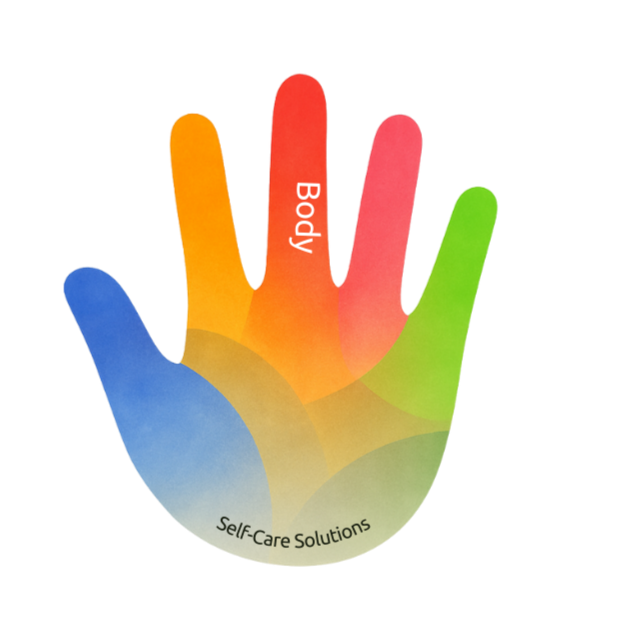
When seen through the hand, the body is viewed alongside the inner world, direction, relationships, and surroundings.
This makes it easier to notice interaction rather than assume cause.
For example, fatigue may reflect sustained responsibility, emotional load, or environmental strain, rather than something “wrong” with the body itself.
Seeing the body in context often reduces pressure and self-blame.