
Relationships
Where life is shared, distributed, and negotiated
Relationships are where life is shared, distributed, and negotiated.
They include how we connect with others, the roles we hold, and the expectations we live within.
Some relationships support us. Some place demands on us. Most do both.
Seen as one aspect among others, relationships can be understood with less blame and more clarity.
-
Relationships are part of ordinary life.
From early on, we live alongside others and are shaped by that contact in many small, ongoing ways.
Relationships don’t exist only in conversations or interactions.
They also exist through roles, responsibilities, memories, expectations, and absence.
-
Some relationships feel supportive.
Some feel demanding, distant, complicated, or unresolved.
Often it’s a mix.
Relational experience shifts as people change, circumstances move, or demands increase or ease.
-
Relationships can hold things like:
Closeness and distance
Care and obligation
Support and pressure
Conflict and harmony
Responsibility, expectation, and loyalty
These aren’t indicators of success or failure.
They show how life is currently being shaped through being with others.
-
Not all relationships can change in the ways we might want.
Some involve fixed roles, long histories, or limits that can’t be moved.
Noticing relational limits doesn’t require action, confrontation, or resolution.
It simply acknowledges how life is currently shaped through others.
-
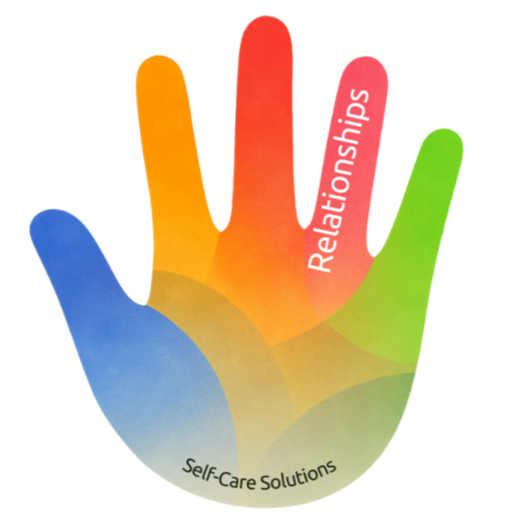
When relationships are viewed through the hand, they’re seen alongside the inner world, direction, the body, and surroundings.
This makes it easier to notice interaction rather than assign blame.
For example, tension in a relationship may reflect exhaustion, external pressure, or competing responsibilities, rather than conflict alone.
Seeing relationships in context often softens judgement and widens understanding.