Self Care in Everyday Life
Self care is often talked about as something you do occasionally - A break. A treat. A moment to switch of
While those things can be helpful, they’re only one small part of a much bigger picture.
Seeing Self Care Beyond Breaks and Treats
-
Most people don’t experience life in neat categories.
They experience it as everything happening at once.
Thoughts, choices, physical demands, interactions with others, and the spaces you move through all arrive together, often without clear boundaries between them.
When strain builds, it rarely announces where it’s coming from.
It shows up as tiredness, irritability, loss of motivation, or a sense that something is off.
-
Not because something is wrong.
But because life moves quickly, and patterns quietly become normal.
Days are shaped. Bodies are managed. Relationships are navigated.
Environments either support you or slowly drain you.
Most of this happens without conscious planning. Until it starts to cost you energy.
-
Not as something you do occasionally,
but in how life is actually being lived.
In how you relate to yourself.
In how your days are structured.
In how your body is treated.
In how relationships function.
In how your surroundings either support or strain you.
This is where self care already exists, whether it’s named or not.
-
When everything is felt at once, it can be hard to tell what matters most.
Pressure blends together.
Responsibility spreads thin.
You may know something needs attention, without knowing where to look.
This is often where people try to fix the wrong thing.
-
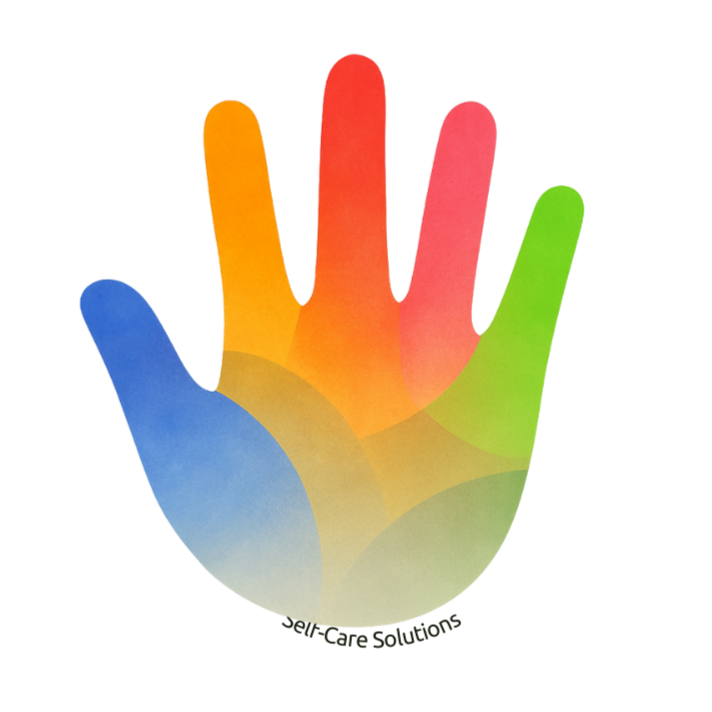
Rather than trying to take everything in at once, experience can be viewed through five aspects:
• The inner world
• Direction
• The body
• Relationships
• Surroundings
Separating them doesn’t divide life.
It brings clarity.
It helps show how different parts of life influence one another, and how pressure is shaped across them, often without being noticed.
-
The hand doesn’t explain why things happen.
It doesn’t tell you what should change.
It doesn’t ask you to work through anything or complete a process.
It offers a way of looking.
A way of temporarily separating the whole, so interactions between different parts of life can be seen more clearly.
-
What Changes When You Can See This Way
You don’t have to act.
You don’t have to fix anything.
You don’t have to improve yourself.
You can simply notice where things are working, where demands are accumulating, and where pressure is coming from.
Often, just seeing this changes how it’s experienced.
-
Understanding Without Judgement
Patterns shift over time.
Different areas carry different weight at different moments.
Seeing this allows for adjustment rather than self-criticism.
Not urgency.
Not judgement.
Just a clearer relationship with what’s actually happening.
“So what changes when I can see things this way?
Making What’s Already Happening Easier to See
Self care stops being something you have to perform and starts revealing where support already exists and where pressure is quietly building.
you begin to understand why strain shows up as tiredness, irritability, loss of motivation, or a vague sense that something is off.
Makes patterns easier to recognise rather than harder to carry.
Your attention shifts from chasing one problem to noticing how awareness, responsibility, regulation, and adaptation are moving across different parts of life at the same time.
You can see where things are working, where demands are accumulating, and where small adjustments may help later, without judgement or urgency.
For some people, this visibility gives language to pressure they were already living with.
For others, it highlights patterns they hadn’t named before.
For others, it reveals patterns that had been shaping life quietly in the background.
Often, simply seeing where pressure comes from softens how it is felt.
It’s about staying connected to what’s actually happening, so change, when it’s needed, can happen with less strain.